robotics, a new chapter unfolds as simulations begin to mirror the messy reality of our world. Robots, once limited to the confines of predictable sequences, are now harnessing simulated training to adapt to real-world surprises. It's not just about completing a task anymore. it's about responding to the unpredictable twists that come their way.
From Closed to Open-Ended
The big change here's moving from open-loop systems, where robots follow a fixed set of commands, to closed-loop systems. This means robots are now reacting in real-time to changes in their environment. Think of a robot vacuum that doesn't just bump into walls and turn away, but one that can navigate a room filled with unexpected obstacles or a noisy dog without missing a beat.
But let's ask the question on everyone's mind: who pays the cost? Robots adapting to the real world sounds fantastic, but what's the cost for the human workforce? The productivity gains went somewhere. Not to wages. Automation has winners and losers, and it seems workers find themselves on the losing end more often than not.
The Tech Behind the Magic
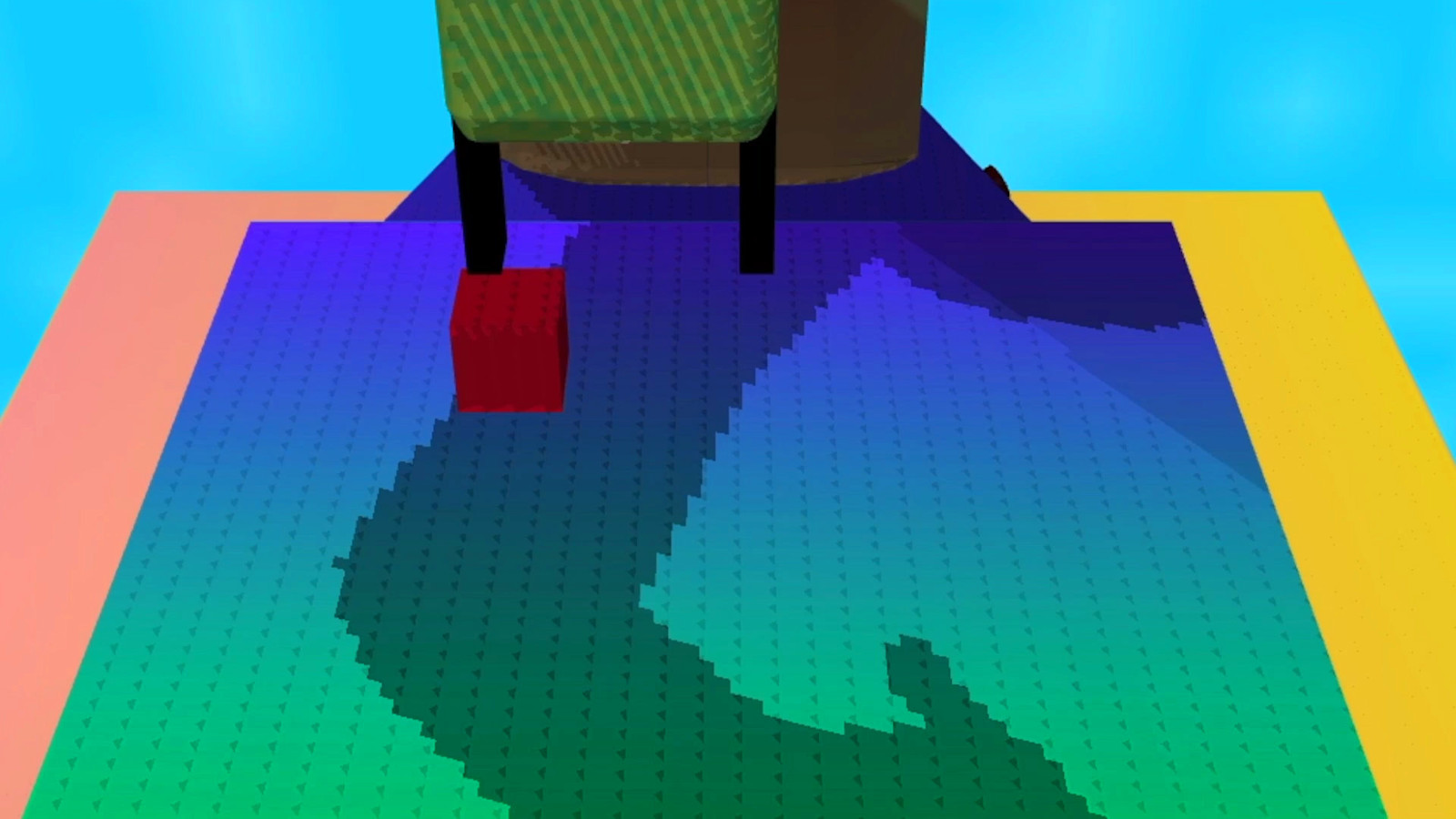
These advances are possible thanks to sophisticated simulation environments where robots train to handle varied situations. It's like giving robots the experience of a seasoned worker before they even touch the factory floor. This tech magic isn't just about performing tasks. it's about learning resilience and adaptability, traits once unique to humans.
Yet, as these robots become more capable, there's an unsettling question: do we need fewer humans? Ask the workers, not the executives. The jobs numbers tell one story. The paychecks tell another. While the tech industry touts the marvels of innovation, the reality for workers is often a different narrative of displacement and wage pressure.
Why It Matters
This shift in robotic capabilities isn't just a tech story. it's a labor market tale. As machines grow smarter, the roles they replace or transform become a focal point of contention. It's not just the assembly line jobs we're talking about. it's a broader spectrum of work that could be affected. Who's looking out for the workers navigating this automation risk? Collective bargaining might be more important than ever to ensure a fair distribution of these new productivity gains.
So, as robots step into the real world, where does that leave us? Are we ready to embrace this change and ensure it benefits everyone, not just the bottom line?