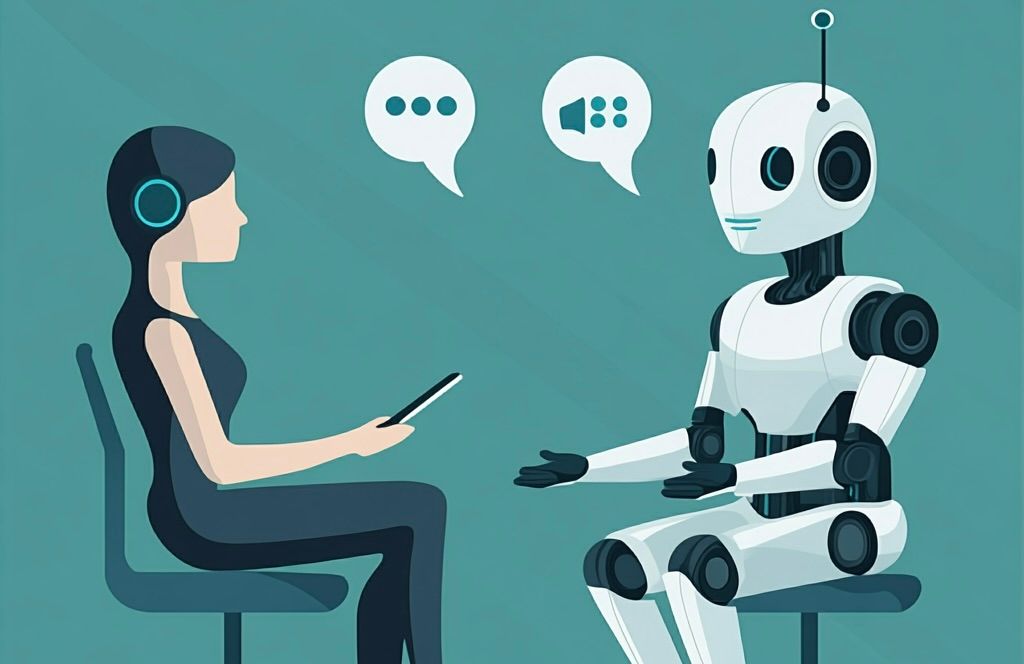
Large language models (LLMs) are evolving quickly. They're scoring higher on tests like MMLU and HumanEval, but does that translate to a better user experience? Not quite. If we're eyeing a future where AI complements human effort rather than replaces it, these metrics aren't cutting it. They miss the mark because real dialogue isn't just about spitting out the next word.
The Power of Purpose
Ever thought about what makes a conversation meaningful? It's the purpose behind it. Whether it's making travel plans or solving a technical glitch, purposeful dialogue means more than exchanging words. It's about achieving goals. Like in negotiation, where back-and-forth beats a one-shot deal, chatbots need to emulate this dynamic for real-world utility.
Chatbots today are trained in a way that lacks this depth. Take coding help as a case study. Current models handle tasks in a single pass. But automating complex tasks, like managing GitHub issues, isn't a one-step affair. Chatbots need to converse, ask clarifying questions, and adapt, much like a human collaborator would.
Why Chatbots Drift
Dialogue systems have come a long way since the 1970s, from scripted lines to complex token prediction. But even today's LLMs like gpt-3.5-turbo-16k struggle with consistency. They're easily thrown off course after a few rounds of chat. When this happens, they risk straying into unsafe territory. Why can't they stick to their persona, like humans generally do? Because humans talk with intention. LLMs, on the other hand, are built to predict words, not pursue goals.
Injecting Purpose
So, what's missing? Purpose. Injecting this into LLMs means transforming them from mere text generators to goal-oriented allies. Experimental frameworks like Dialogue Action Tokens (DAT) aim to do just that. They guide chatbots through multi-turn dialogues, focusing each exchange on achieving a set goal. The results? A chatbot that's not only more reliable but smarter in its social interactions.
Is this a silver bullet? Not yet. It's an evolving field, and more research is needed to understand how bots can maintain their direction over longer dialogues. But the potential is there. If LLMs can learn to stay on task, they could significantly enhance productivity, making them invaluable in many sectors.
The Road Ahead
Why should you care? Because the future of AI isn't just about raw power. It's about efficiency and reliability. Without a clear purpose, these chatbots are shiny gadgets without a grip on reality. Fix that, and you've got tools that can transform industries, from customer service to software development.
Solana doesn't wait for permission, and neither should LLMs. If they can evolve to focus not just on accuracy but on intent, they might just change the game. The tech is racing forward, and if you haven't noticed, you're missing out.