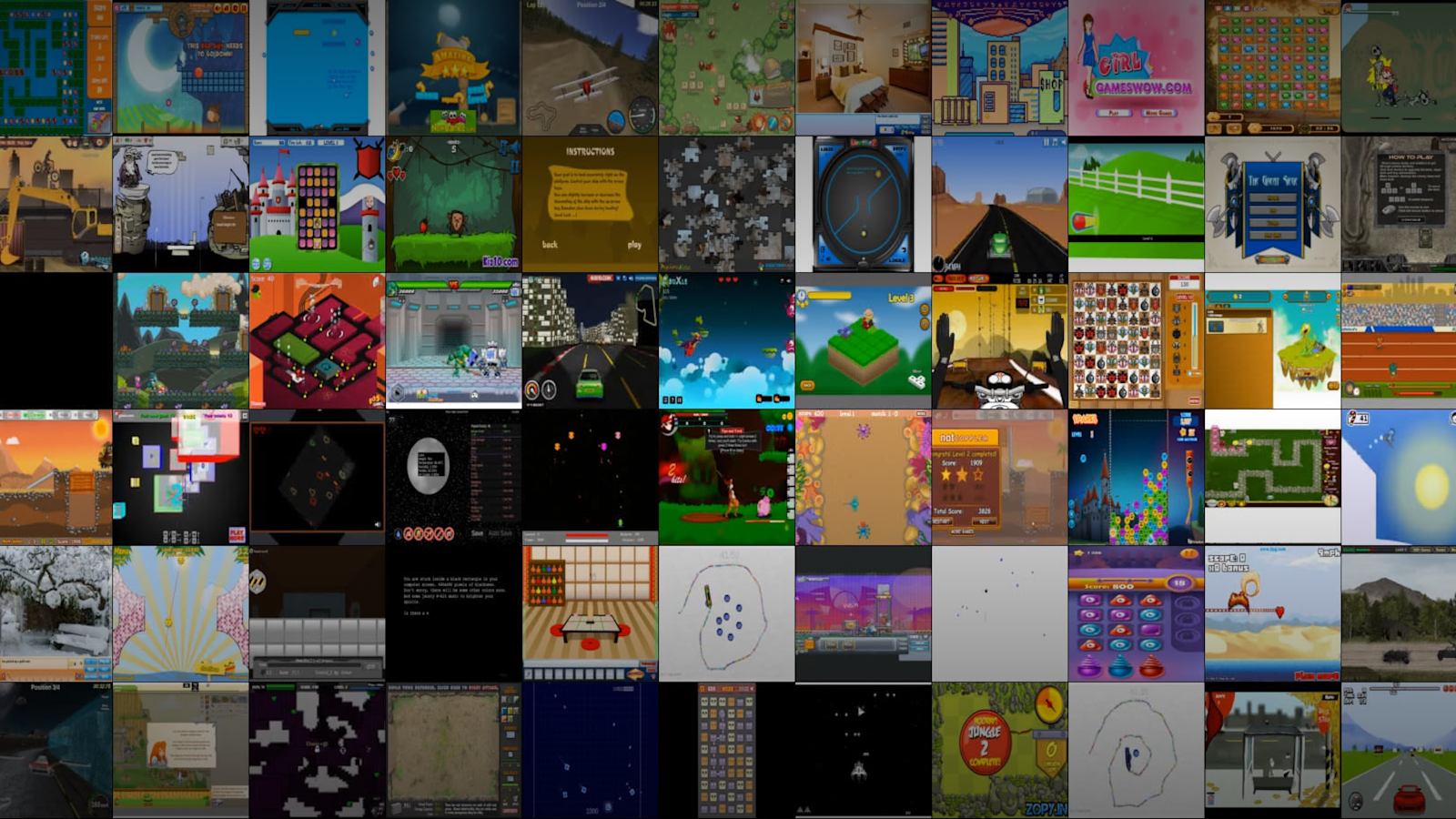
In a bold move to push the boundaries of artificial intelligence, OpenAI has launched a platform called Universe. This software platform aims to measure and train AI across a vast array of digital environments, including games, websites, and other applications. The proposition is straightforward yet ambitious: transform the internet and its digital spaces into a sprawling, interactive gym for AI.
Why Universe Matters
At first glance, Universe seems like a playground for AI, but there's more at stake here. The software could serve as a testing ground for general intelligence, the holy grail of AI research. General intelligence implies an AI that can learn and adapt across various tasks, much like a human. But, is Universe truly a step toward this elusive goal or merely a clever marketing strategy?
While the intentions are grand, I'm skeptical. The platform's reliance on digital games and websites, though rich in diversity, might not be the panacea for achieving true general intelligence. Let's apply some rigor here. The real question is whether an AI mastering video games can translate to tangible skills in the real world. mastering environments like 'DOTA 2' or 'Minecraft' demonstrates impressive technical prowess, but can it navigate a physical environment with the same dexterity?
The Challenges of General Intelligence
OpenAI's Universe platform raises questions about the breadth and depth of AI training. What they're not telling you: the complexity of general intelligence extends beyond virtual environments. Real-world problems often involve sensory inputs and physical interactions that games simply can't replicate. In this light, Universe may offer a skewed evaluation of an AI's capabilities.
The platform's reliance on existing digital content also highlights another potential pitfall: overfitting. If an AI becomes too specialized in these environments, it risks losing adaptability in dynamic, real-world scenarios. The balance between training AI in controlled digital spaces and exposing it to the unpredictability of the physical world remains a critical hurdle.
Universe: A Step Forward or a Detour?
Color me skeptical, but Universe could either be a stepping stone to a more nuanced understanding of AI's potential or a detour into overly simplified metrics of intelligence. While the initiative is promising, it doesn't survive scrutiny without acknowledging its limitations.
In the race for general intelligence, OpenAI's Universe presents a fascinating experiment. But, it also invites scrutiny about the real-world applicability of such digital training grounds. As we inch closer to creating machines that can think for themselves, Universe may help, but it's no silver bullet.