AI's Energy and Chip Bottleneck: A Wake-Up Call for U.S. Infrastructure
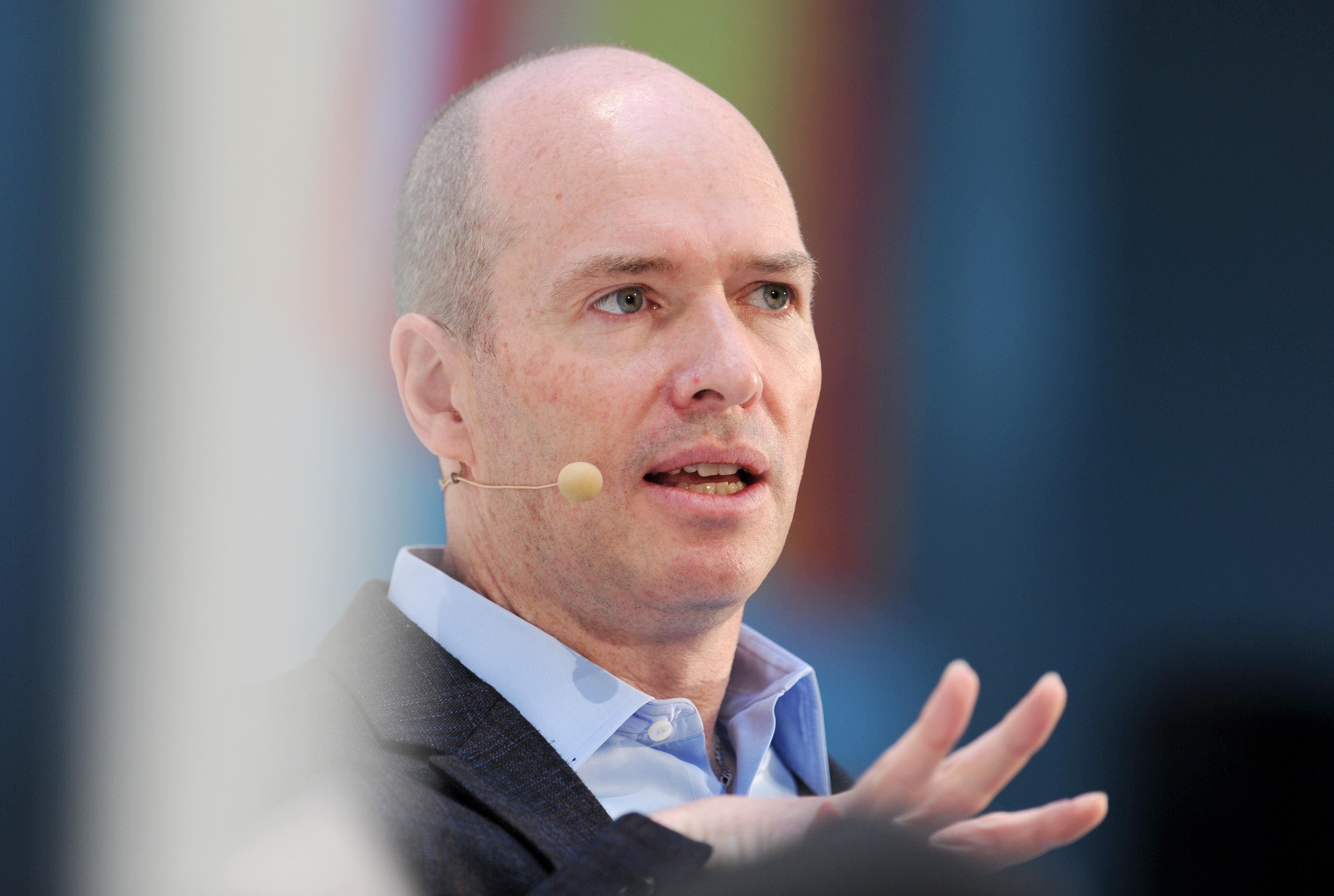
Ben Horowitz argues that America's aging infrastructure is limiting AI's potential. Energy and chip constraints are the real culprits behind SaaS struggles.
Ben Horowitz, a prominent figure venture capital, has sounded the alarm on what he believes is a critical issue facing the United States: the urgent need to overhaul our infrastructure. Forget the shiny allure of SaaS growth metrics for a moment. The core of the problem lies in the limitations of our energy grid and semiconductor production capabilities.
The Infrastructure Crisis
America's infrastructure, long taken for is now showing its age. The nation's power grid and chip manufacturing sector aren't equipped to meet the burgeoning demands of AI technologies. Horowitz points to these sectors as the unexpected bottlenecks that are stifling innovation and growth.
It's a stark observation. The container doesn't care about your consensus mechanism, and neither do the electrons powering our data centers. The fact is, without a significant overhaul, AI advancements could stall, leaving the U.S. lagging behind other nations that are investing heavily in these critical areas.
Why AI Needs More Power
AI systems require significant energy consumption to process vast amounts of data. Yet, the current energy infrastructure is teetering on the brink of obsolescence. Data centers alone consume about 1% of global electricity, and this figure is expected to rise. The ROI isn't in the model. It's in the 40% reduction in document processing time that AI can offer, but only if the infrastructure supports it.
With the semiconductor industry, the picture is equally grim. The demand for chips is skyrocketing, driven by AI's insatiable appetite for processing power. However, the U.S. chip production capacity hasn't increased in step. This misalignment has real-world consequences, from delayed product launches to inflated costs.
The Real Cost of Inaction
Why should anyone care if a few tech companies face hurdles? The implications go far beyond the tech sector. AI's potential to revolutionize industries from healthcare to logistics hinges on the availability of strong infrastructure. When will decision-makers prioritize these foundational components?
Horowitz's call to action isn't just a tech insider's critique. It's an invitation to policymakers to scrutinize and invest in infrastructure that supports technological progress. The U.S. must reclaim its edge, ensuring that AI's promise isn't lost due to outdated systems. Nobody is modelizing lettuce for speculation. They're doing it for traceability, and for that, we need reliable power and chips.
As the world leans more heavily on AI, the U.S. finds itself at a crossroads. Will it rise to the challenge? Or will outdated infrastructure become the Achilles' heel of American innovation?
Get AI news in your inbox
Daily digest of what matters in AI.