DeepMind’s Gemini Robotics-ER 1.6: A Leap Forward or Just Another AI Hype?
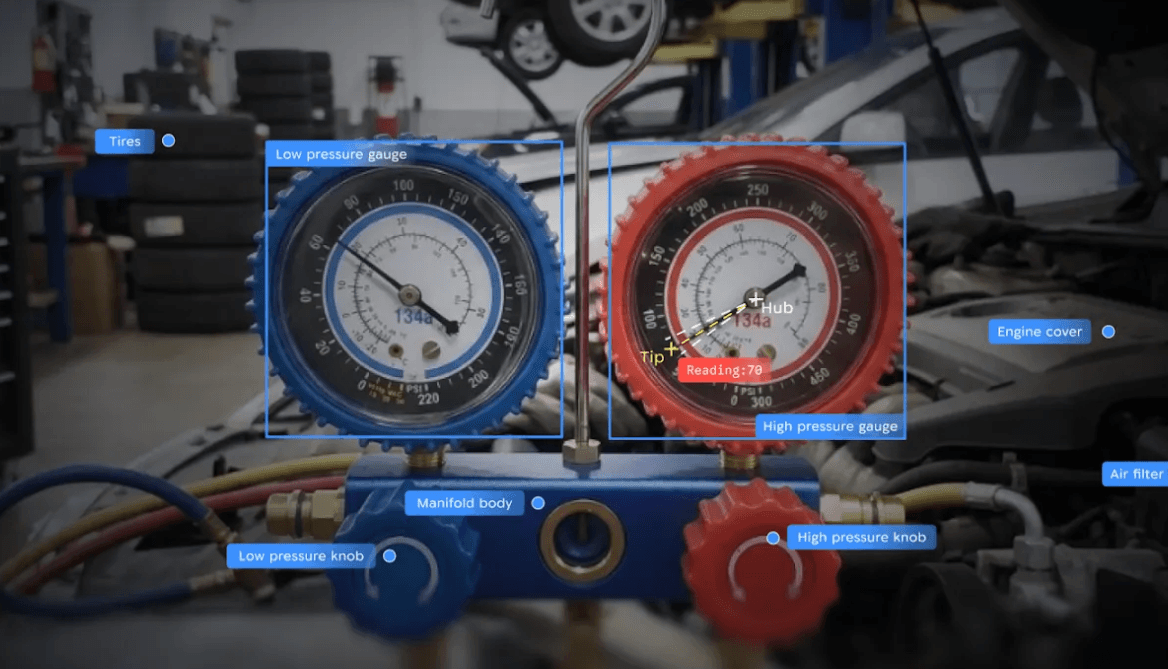
DeepMind unveils Gemini Robotics-ER 1.6, promising improved spatial reasoning for robotics. But who really benefits from these advancements?
Google DeepMind has unveiled yet another stride in AI technology with the introduction of Gemini Robotics-ER 1.6. On the surface, it’s an upgrade that promises enhanced spatial reasoning and multiview understanding for robotics and physical agents. But who benefits from this leap forward in AI capabilities? Is it just another notch in the belt for tech titans, or does it have real-world implications that matter to everyday users?
What Gemini Robotics-ER 1.6 Brings to the Table
This new model from DeepMind, a branch of Alphabet Inc., is touted as a significant enhancement over previous iterations. The claim is it can bring greater autonomy to robots, potentially transforming how they operate in physical spaces. DeepMind highlights the model’s high-level reasoning capabilities, which could, in theory, make robots more effective at performing tasks without constant human oversight.
A Question of Utility and Accessibility
But let's ask the real question: Who will truly benefit from this technology? The benchmark doesn't capture what matters most. How will these advancements trickle down to impact those outside the tech bubble? Sure, robotics companies and developers might see efficiency gains, but will these translate into meaningful improvements in daily life for most people?
Historically, many AI breakthroughs have been heralded as transformative, yet their benefits often remain concentrated in the hands of a few. Whose data? Whose labor? Whose benefit? It’s essential to scrutinize not just the performance but the power dynamics at play.
The Broader Implications
Let’s look closer. If Gemini Robotics-ER 1.6 delivers on its promises, it could set a new standard for robotic autonomy. However, the paper buries the most important finding in the appendix. The real impact won't be in the lab. it's in how industries like healthcare, logistics, and even consumer electronics apply these capabilities. More autonomous robots could mean fewer jobs for people whose roles are centered around tasks that machines might soon perform more efficiently.
In the race for AI dominance, it's important to consider both the potential and the pitfalls. Are we onboarding technology faster than we can address its ethical and societal impacts? DeepMind's latest release pushes the envelope, but it also serves as a reminder that with each leap forward in AI, we must remain vigilant about who truly stands to gain.
Get AI news in your inbox
Daily digest of what matters in AI.
Key Terms Explained
A standardized test used to measure and compare AI model performance.
A leading AI research lab, now part of Google.
Google's flagship multimodal AI model family, developed by Google DeepMind.
The ability of AI models to draw conclusions, solve problems logically, and work through multi-step challenges.