Google DeepMind's Genie 3: A New Dimension to Street View
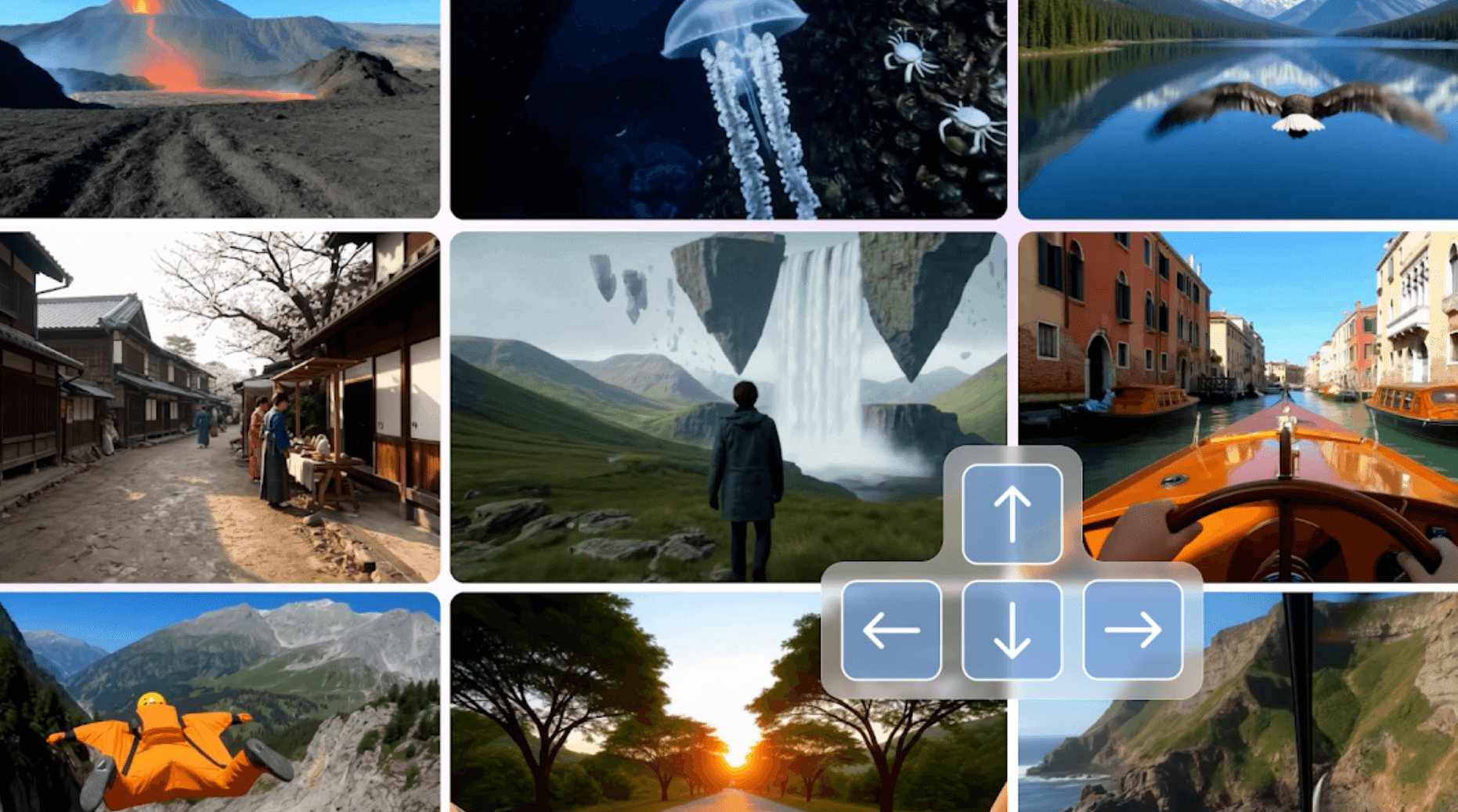
Google DeepMind's Genie 3 model transforms Street View data into interactive AI-generated worlds, reshaping the potential for AI agents and robotics.
Google DeepMind is stepping up the game by integrating its Genie 3 world model with Google Street View imagery, introducing a novel concept that allows users to drop a pin on a map and explore an AI-generated, walkable world based on that very location. This marriage of AI modeling and real-world data isn't just a tech demo. it's a strategic maneuver with far-reaching implications for AI agents and robotic applications.
From Passive Data to Active Worlds
For years, Google's Street View has been a repository of static images, capturing the nooks and crannies of the globe. Now, with the Genie 3 model, this passive data undergoes a metamorphosis into interactive environments. Users can experience a place not just through a screen but through an immersive AI-generated reality. This transformation from flat imagery to dynamic worlds is a leap forward in how we might engage with data.
What does this mean for AI? Google's Street View data has become more than a collection of snapshots. it's now a vital training ground for AI agents. These walkable worlds can serve as complex environments for testing navigation, interaction, and decision-making skills of AI systems in a context that closely mimics reality. The potential applications are vast, from enhancing autonomous vehicle navigation to advancing personal AI assistants that understand the intricacies of the world.
A New Era for AI and Robotics
Google's move isn't just about showcasing its technological prowess. It's a groundwork for future innovation. By creating these virtual yet realistic environments, Google is essentially providing a sandbox for AI development that could significantly cut down on real-world testing costs and time. The implications for robotics are particularly exciting. Robots can be trained in these AI worlds before ever setting wheels or feet on actual terrain, potentially reducing the risk and increasing the efficiency of deploying robots in complex environments.
But let's apply some rigor here. While this initiative sounds promising, it hinges on the accuracy and currency of the underlying data. Street View, although extensive, isn't updated in real-time. How will these AI-generated worlds handle changes in the real world? Color me skeptical, but unless Google can ensure these simulations are as up-to-date as possible, there's a risk of relying on outdated worldviews, especially in rapidly changing urban environments.
Why It Matters
At its core, this development highlights the ever-blurring line between virtual and physical realities. By turning captured data into functional environments, Google DeepMind is setting a precedent for how AI can interact with the world, both real and virtual. But the question remains: Is this a glimpse into the future of AI-driven exploration, or merely a tech curiosity with limited practical application?
Ultimately, Google's Genie 3 integration could be a breakthrough for AI and robotics development, providing a fertile ground for testing and innovation. Yet, without consistently up-to-date data, these AI worlds risk becoming nothing more than impressive showcases that don't quite reflect the nuances of the real world. If Google can address this, we might be witnessing the dawn of a new era in AI training and deployment.
Get AI news in your inbox
Daily digest of what matters in AI.
Key Terms Explained
A leading AI research lab, now part of Google.
The process of teaching an AI model by exposing it to data and adjusting its parameters to minimize errors.
An AI system's internal representation of how the world works — understanding physics, cause and effect, and spatial relationships.