Google's AI Glasses Set to Disrupt Wearable Tech This Fall
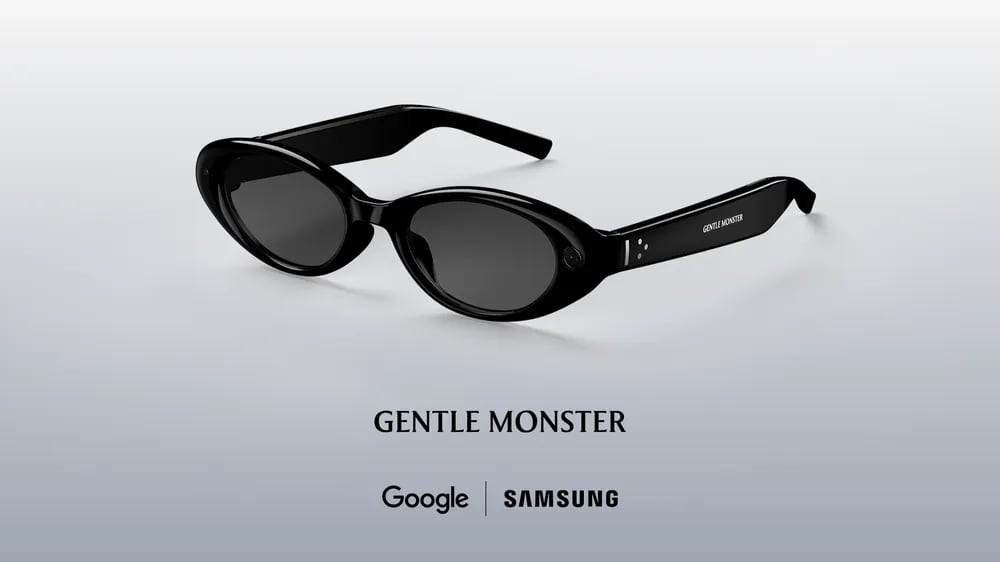
Google partners with Samsung and eyewear brands to launch AI-powered audio glasses this fall, offering smooth integration with both Android and iPhone.
Google's upcoming launch of AI-enhanced eyewear marks a significant step into the wearables arena. Teaming up with Samsung, Gentle Monster, and Warby Parker, the tech giant is rolling out audio glasses slated for this fall. These aren't your average specs, they're a sophisticated blend of tech and fashion.
AI Takes Center Stage
Running on Google's Android XR platform, these glasses boast integrated cameras, microphones, and speakers. Notably absent is a lens display, positioning them against conventional smart glasses and hinting at a more focused audio experience. The real draw is the integration of Gemini AI. With simple voice commands like 'Hey Google', users can access a suite of features. From translating speech in real time to managing calls and even ordering coffee, the capabilities are extensive.
But here's the twist: Google has future plans for display glasses. This will likely change the way we consume information on the go, making the current launch a strategic stepping stone. Will Apple's rumored 2027 glasses catch up, or is Google setting the pace for AI eyewear?
Bridging Tech Worlds
One of the standout features is the glasses' compatibility with both Android and iPhone. It's a smart move that broadens appeal and market reach. Few tech products today can genuinely claim cross-platform functionality without compromise, making this a potential breakthrough in user adoption.
The partnership with fashion-forward brands like Gentle Monster and Warby Parker isn't trivial, either. It reflects a conscious effort by Google to ensure these glasses don't just function well but also look appealing. The eyewear market is as much about aesthetics as it's about tech, and Google seems to understand this balance.
Why It Matters
As AI continues to weave into daily life, products like these glasses highlight the direction of consumer tech: blending usability with style. The real bottleneck isn't the model. It's the infrastructure supporting smooth AI experiences. Google, by aligning with strong hardware partners, might just have solved this puzzle.
The unit economics break down at scale, yet it's clear Google's betting on mainstream adoption to drive costs down. Will they succeed in redefining the wearables market, or will this be another niche product in a crowded field? The answer lies in how well they execute this launch and follow through with their promise of future enhancements.
Get AI news in your inbox
Daily digest of what matters in AI.