Neighborhood Watch 2.0: The Rise of Digital Surveillance
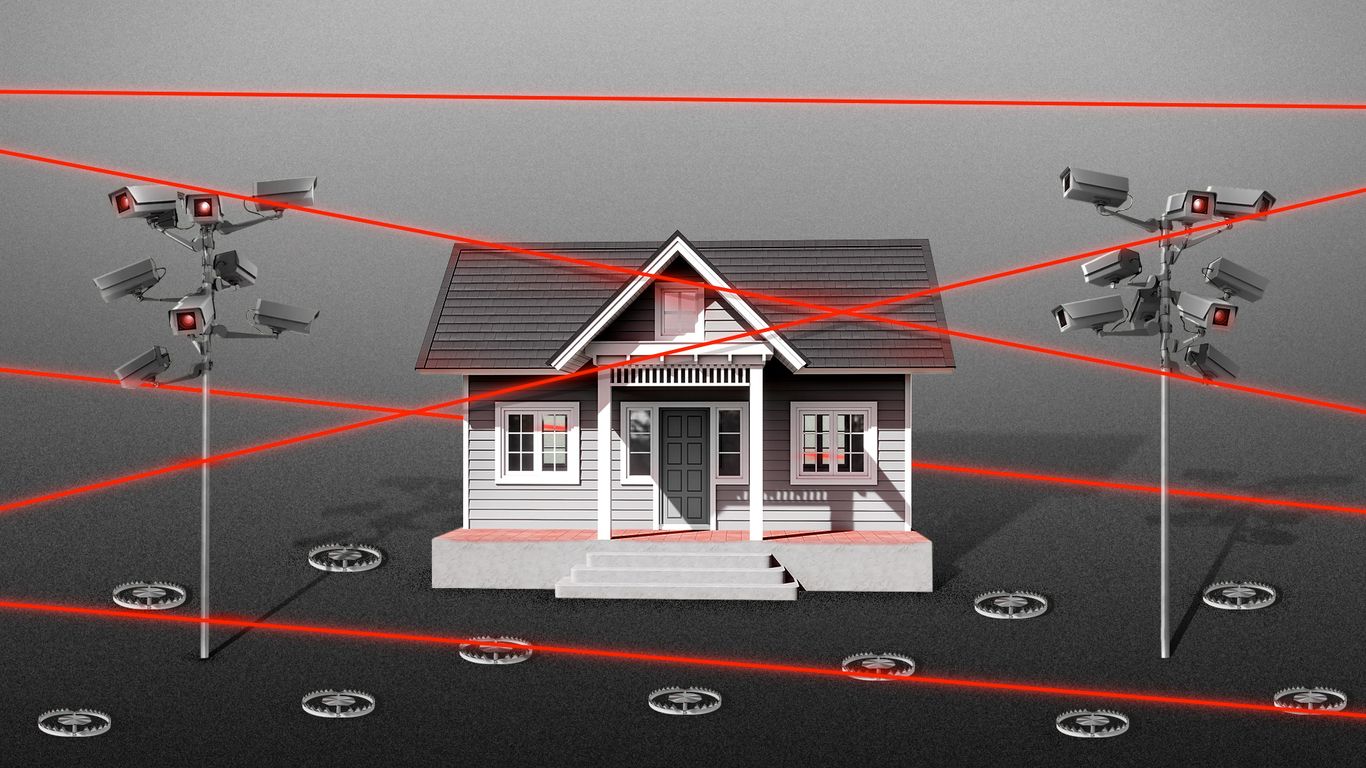
Traditional neighborhood watch programs are fading, replaced by AI-powered apps like Ring and Nextdoor. While this tech is efficient, it's eroding community bonds.
Neighborhood watch programs, once a staple of American civic life, are vanishing. In their place, we're seeing the rise of AI-driven apps like Amazon's Ring and Nextdoor. These gadgets and platforms turn our communities into sprawling surveillance networks. But at what cost?
From Porch Meetings to Pixels
Back in the day, neighbors would gather on porches, swapping stories and tips on keeping the area safe. Now, we're swapping those gatherings for shared videos of 'suspicious' strangers and wildlife alerts. It's fast and it's smart, but it's also pretty detached. The human connection is being replaced by a digital one.
Ring doorbells are streaming endless footage, and users eagerly post it online as alerts. Meanwhile, Nextdoor flags everything from 'suspicious' strangers to dog walkers who leave behind a mess. And let's not forget about the thousands of communities adopting license plate readers. Privacy advocates, understandably, are on edge.
The Cost of Convenience
With surveillance tech spreading like wildfire, neighborhood watch programs are quietly slipping away. In places like Ann Arbor, Michigan, over 600 watch signs were removed this year. Officials claimed the signs promoted racial profiling, making some residents feel unwelcome. Elsewhere, it's a quieter fade-out as volunteer numbers dwindle and younger folks opt out.
Justin Smith from the National Sheriffs' Association points out that the decline in these programs is real. Neighbors are shifting from actively watching out for each other to simply watching screens. Mary Dodge, a criminal justice professor, notes we're losing vital communication and that sense of community. 'Collective efficacy', the backbone of neighborhood watch, is crumbling as people no longer need to know one another.
The Surveillance Trade-Off
There's no denying the new system's efficiency. It excels at catching crime with data analysis powered by AI, cracking cases that used to take months, even years, to solve. But, in the process, law enforcement is losing its human intelligence, the boots on the ground.
And let's not kid ourselves. The old neighborhood watch wasn't perfect. It had its share of racial profiling and outsider suspicion. The new tech-driven version hasn't fixed that and may have even scaled it up. Dodge warns that apps like Nextdoor amplify bias and misinformation, mixing legitimate concerns with hostility.
What Are We Sacrificing?
In the past, solving a crime meant chatting with the person on the porch. Today, it's about pulling footage, scanning data, and letting AI do the heavy lifting. Sure, it's efficient, but at what cost to our community bonds and trust?
Is this trade-off worth it? As Americans spend more time at home, they're becoming strangers to their neighbors. Back in 2012, 51% of young Americans regularly engaged with their neighbors. Now, that number's dropped to 25%. An alarming shift, and one that begs the question: what are we losing in the process?
Get AI news in your inbox
Daily digest of what matters in AI.