Quantum Computing's Role in AI by 2026: A New Frontier
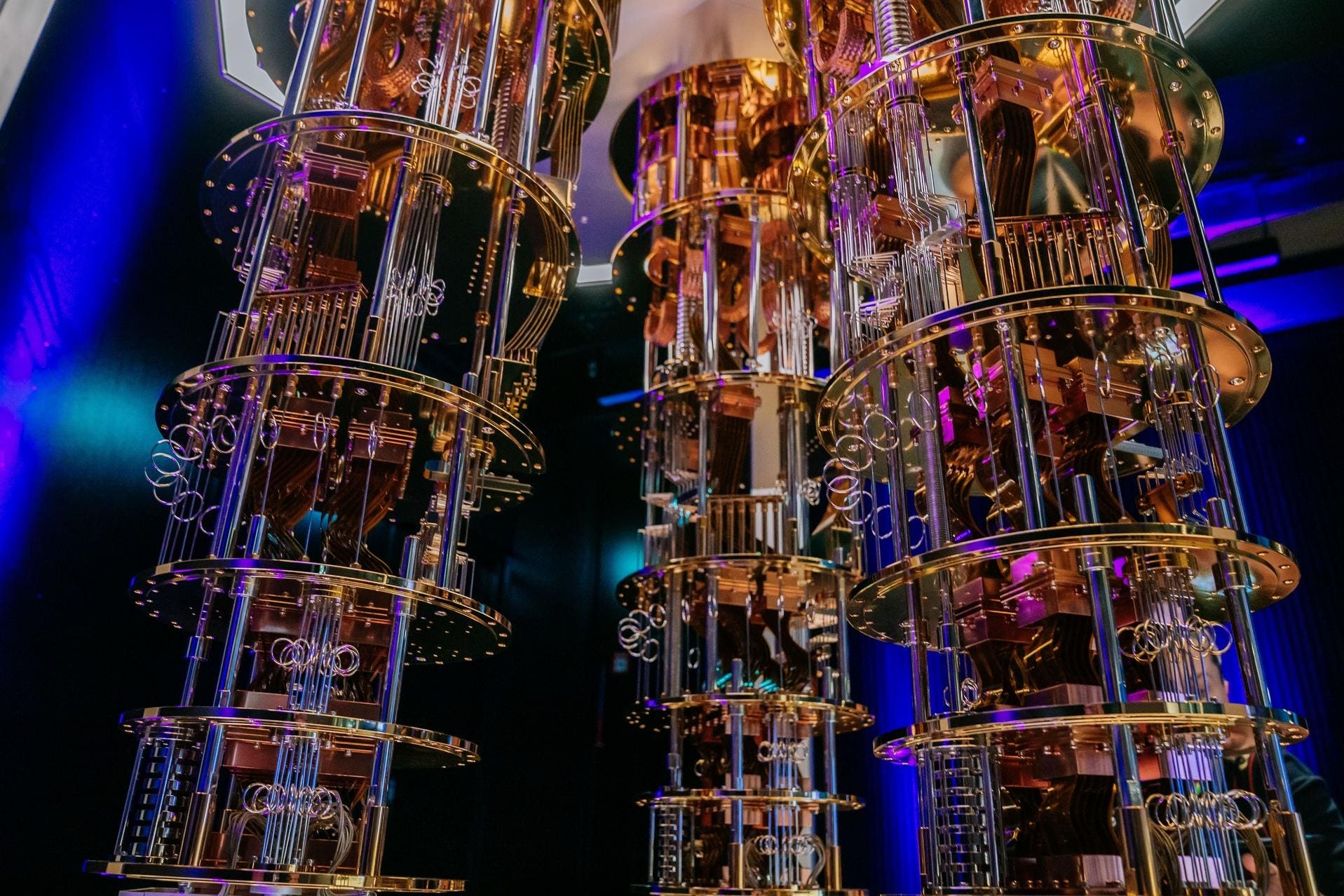
Quantum computing is poised to reshape AI and business strategies by 2026, moving from theoretical promise to practical application. Here's why it matters.
As we edge closer to 2026, quantum computing is no longer just a buzzword. It's becoming a tangible force poised to redefine AI and business strategies. From annealing to gate-based systems, the varied approaches in quantum computing promise to push AI beyond its current limits.
Quantum Computing's Current Path
By 2026, experts anticipate both annealing and gate-based quantum systems will mature significantly. Annealing systems, designed for optimization problems, are already showing potential in industries like logistics and finance. Gate-based systems, though more complex, promise a broader range of applications. The question remains, how quickly will businesses adapt?
In practice, the true challenge lies in integrating quantum solutions into existing workflows. Enterprises don't buy AI or quantum computing, they buy outcomes. The gap between pilot and production is where most fail. The real cost isn't just in technology but in change management and stakeholder buy-in.
AI and Quantum: A Symbiotic Relationship
AI and quantum computing are destined to intertwine, each enhancing the other's capabilities. Quantum's ability to process massive datasets at unprecedented speeds could revolutionize AI models, making them more efficient and effective. But there's a catch. Without clear ROI, businesses might hesitate to invest heavily in this nascent technology.
Here's what the deployment actually looks like: early adopters are already experimenting with quantum-enhanced AI for specific tasks like traffic optimization and new drug discovery. Yet, widespread adoption will hinge on demonstrating clear financial value.
The Business Implications
The consulting deck says transformation. The P&L says different. Businesses need to carefully evaluate the total cost of ownership when considering quantum integration. The financial upside is clear, better AI means better decision-making, which can lead to significant efficiencies and cost savings.
the competitive edge quantum adoption could offer is undeniable. Companies that crack the quantum code first will set new industry standards. But are they willing to take the risk now? The adoption curve may be steep, but the rewards for trailblazers could be immense.
Ultimately, the evolution of quantum computing isn't just a tech story. It's a business imperative. Enterprises that overlook its potential might find themselves lagging as digital transformation accelerates. After all, the ROI case requires specifics, not slogans.
Get AI news in your inbox
Daily digest of what matters in AI.