Stereotaxis Bets Big on Robotic Surgery with Robocath Acquisition
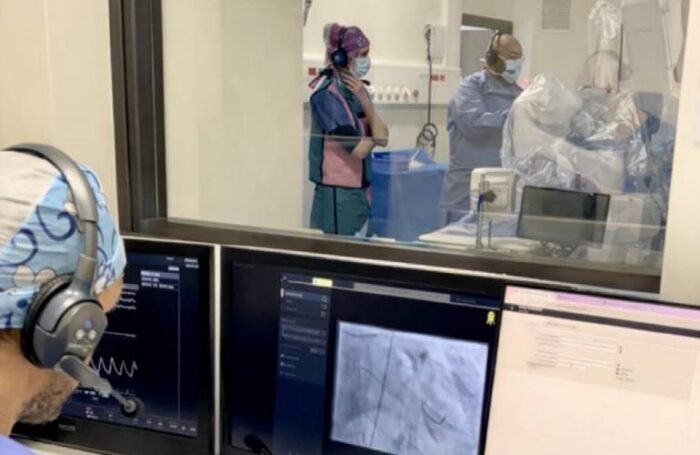
Stereotaxis is set to acquire Robocath, a move that could shake up the world of robotic-assisted surgeries. With a combined $45 million deal on the table, the merger aims to revolutionize interventional procedures.
Stereotaxis is making a bold move by acquiring the French company Robocath, a developer of new robotic technologies for interventional cardiology and neurointerventions. The deal, valued at up to $45 million, includes an upfront $20 million along with additional payments based on regulatory and commercial milestones. This acquisition could disrupt robotic-assisted surgeries.
What's in Store?
Robocath's innovations aren't just about flashy tech. They're about fundamentally changing how we approach complex coronary procedures. The company's R-One system is already in use across Europe, Africa, and China. Now, it's testing a second-generation robotic system, aimed at making coronary angioplasty safer and more precise. Who benefits from all this? Certainly not your average hospital worker struggling with stagnant wages.
Stereotaxis plans to integrate Robocath’s technology into its own offerings, thereby expanding its hold on the endovascular procedure market. With Robocath's bionic technology and Stereotaxis' magnetic navigation, the merged entity promises to deliver a fully robotic solution that could change the rules of the game. But let’s not forget, automation isn't neutral. It has winners and losers.
The Future of Surgical Robotics
Stereotaxis aims to accelerate the development of Robocath’s next-gen system and secure regulatory approvals in the U.S. and Europe within the next two years. The company plans to enhance Robocath's existing systems with its own proprietary tech, increasing automation capabilities and potentially allowing for remote procedures.
Here’s the kicker: Stereotaxis expects Robocath to generate around $2 million in revenue in the first year post-acquisition. They project breaking even by year three. So, is this deal a gamble or a strategic masterstroke?, but we can predict that the productivity gains went somewhere. Not to wages.
Why It Matters
With this acquisition, Stereotaxis positions itself as a leader in the endovascular robotic space, competing with companies like Microbot Medical and Remedy Robotics. But who pays the cost? As exciting as robotic advancements are, they come with risks of workforce displacement and wage pressure. In a world where automation is king, it’s critical to ask: Are we sacrificing jobs for innovation?
Automation might promise efficiency, but let's remember the human side. Ask the workers, not the executives, how these technological leaps affect their lives. The jobs numbers tell one story. The paychecks tell another.
Get AI news in your inbox
Daily digest of what matters in AI.