Supply Chains: The Cybercrime Frontier
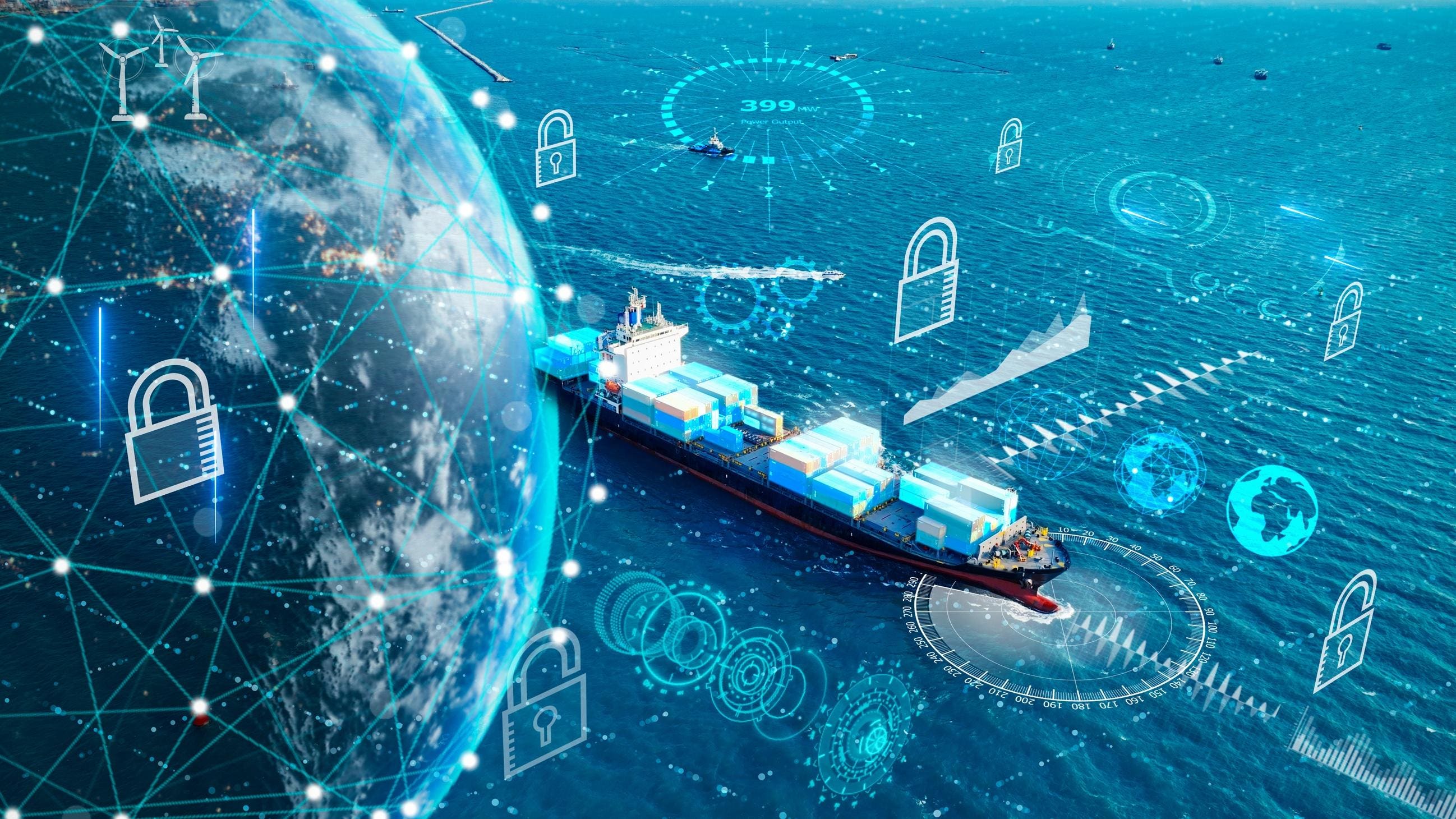
In today's digital world, supply chains aren't just efficient trading routes. They're enticing targets for cybercriminals. If they crumble, so does global commerce.
Supply chains are the lifeblood of global commerce, yet they're under siege in the digital age. The hyper-connected nature of today's trade routes makes them a prime target for cybercriminals. But why is this the case? And what happens if these chains snap?
The digital web of trade
Imagine supply chains as a meticulously woven web, connecting producers, manufacturers, and retailers across the globe. In Latin America, these connections are particularly important. The region relies heavily on these networks to keep economies moving, especially in countries battered by inflation. Here, it's not just about moving goods. It's about survival.
But this web is vulnerable. Anytime you introduce digital elements, you open the door to cyber threats. Supply chains now operate with vast amounts of data, and criminals know it. They’re not just after a single shipment or company anymore. They're targeting the entire system.
The stakes are high
What would happen if cybercriminals took down a major supply chain? For starters, it could mean chaos in markets that depend on timely deliveries. Delays lead to shortages, and when necessities like food or medication are involved, the impact is immediate and severe. In Buenos Aires, stablecoins aren't speculation. They're survival. But without the goods flowing, even digital currencies can't fill empty shelves.
Ask any street vendor in Medellín. She'll tell you that a disrupted supply chain doesn't just mean lost sales for the day. It means an entire community is left scrambling for basic needs. And this is where AI can actually shine, by predicting threats and shoring up defenses before an attack hits. The remittance corridor is where AI actually works. It's about making these systems resilient, not just efficient.
Why care?
You might wonder, why should anyone outside of the trade industry care about this? The answer is simple: our global economy hangs in the balance. When supply chains falter, prices rise, access dwindles, and economies struggle to stay afloat. Inflation isn't just an abstract number. It's felt at the dinner table, in the pharmacy, and at the pump.
So, what can be done? Strengthening these chains against cyber threats isn't just an option. It's a necessity. Latin America doesn't need AI missionaries. It needs better rails. Investments in cybersecurity are vital, but so is a grassroots understanding of the risks. Local communities, governments, and businesses need to work together. Because if one chain snaps, the shockwaves will be felt far beyond the initial breach.
Get AI news in your inbox
Daily digest of what matters in AI.