The Future of AI: Are Shorter Timelines a Cause for Concern?
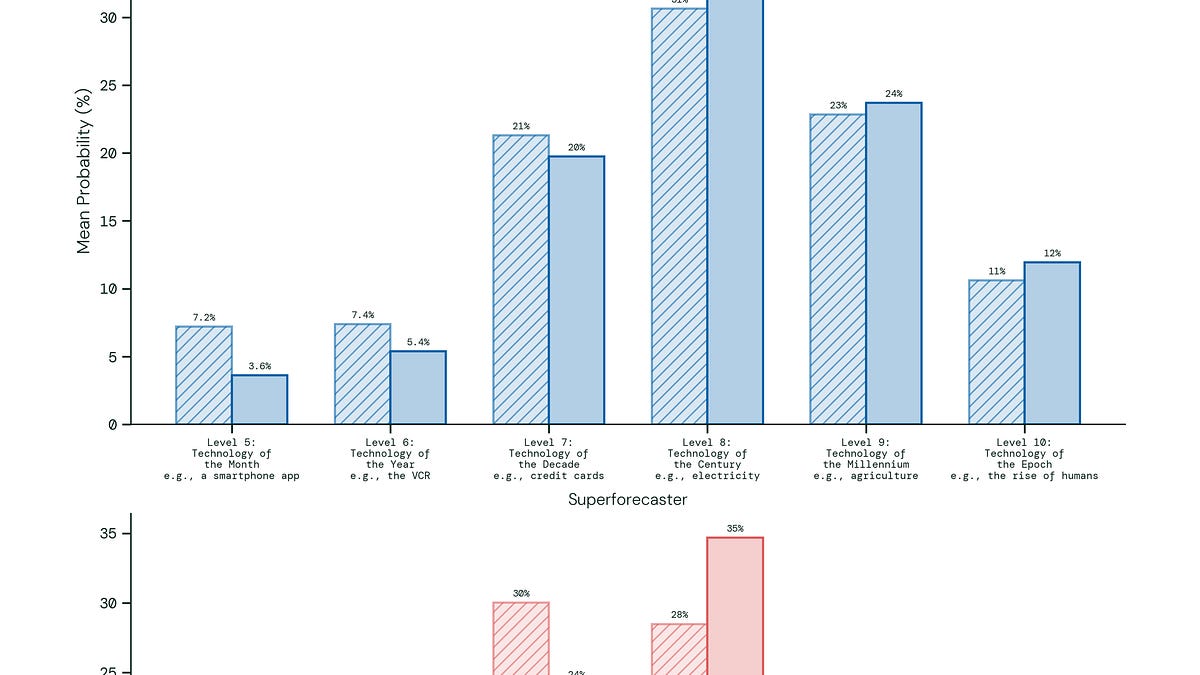
As AI capabilities advance, experts forecast shorter timelines for achieving high-level machine intelligence. The implications could reshape everything from regulations to economic strategies.
As the discourse around artificial intelligence continues to evolve, a striking trend has emerged: the anticipated timelines for reaching advanced AI capabilities are becoming increasingly shorter. This development has sparked a flurry of debate among experts and policymakers alike. The question isn't only about how quickly this AI frontier will be reached but also about the societal implications that will follow.
AI Timelines: A Shift in Predictions
Recent discussions have highlighted a notable shift in predictions regarding AI timelines. Forecasters, who once speculated that high-level machine intelligence might take several decades to emerge, are now suggesting significantly shorter timeframes. Some studies indicate that we could witness major AI breakthroughs within the next 10 to 15 years, a prospect that raises both excitement and concern.
What drives this acceleration in predictions? It's a combination of rapid advancements in machine learning techniques, increased computing power, and a surge in investment. These factors suggest a future where AI plays a central role across industries far sooner than previously anticipated.
The Stakes Are High: Economic and Ethical Implications
Shorter timelines for AI advancements carry profound implications for global economies and ethical standards. Economically, nations that are prepared to integrate AI technologies stand to gain a competitive edge, potentially leading to a reshuffling of global economic power. : Are current regulations and infrastructures ready to handle the swift integration of AI systems into sectors such as healthcare, finance, and transportation?
Ethically, the accelerated pace of AI development raises pressing questions about safety and control. How do we ensure that these powerful technologies are aligned with human values and don't fall prey to issues like bias or misuse? are daunting, as they touch upon the very nature of agency and control in a future where machines could potentially act with a form of autonomy.
Conclusion: Preparing for a Rapidly Approaching Future
In light of these developments, it's essential for both governments and private sectors to proactively prepare for the changes ahead. This involves crafting policies that ensure AI systems are transparent, fair, and aligned with public interest. Moreover, businesses should invest in understanding AI's potential impacts and opportunities, positioning themselves strategically for a future where AI is an integral part of operations.
While the exact timeline of AI's evolution remains uncertain, the stakes are clear. The decisions made today will shape the trajectory of technology's impact on society for decades to come. As we advance deeper into this AI era, one must ask: Are we truly ready for what's to come?
Get AI news in your inbox
Daily digest of what matters in AI.
Key Terms Explained
The science of creating machines that can perform tasks requiring human-like intelligence — reasoning, learning, perception, language understanding, and decision-making.
In AI, bias has two meanings.
A branch of AI where systems learn patterns from data instead of following explicitly programmed rules.