The Future of AI: Task-Specific, Not Humanoid
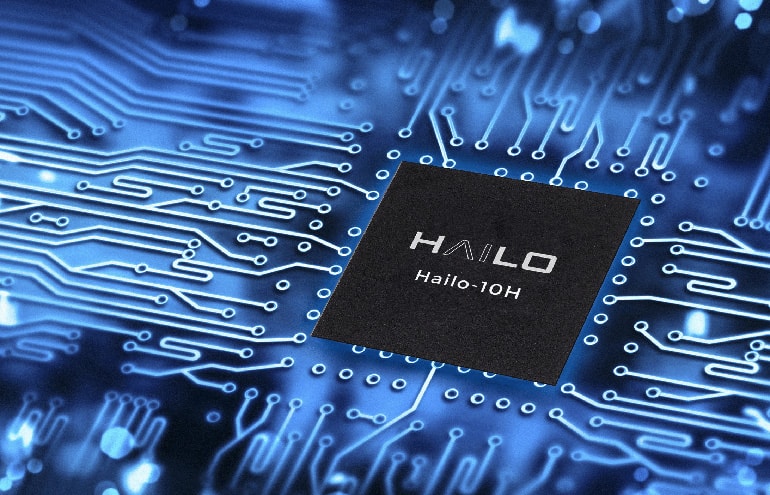
The next phase of AI focuses on task-specific robots over humanoid forms. These systems prioritize efficiency and precision, operating without constant cloud reliance.
Artificial intelligence is entering a new era, one that emphasizes physical interaction over digital outputs. While early AI systems excelled at perception and generative tasks, the latest frontier sees AI stepping into the real world, navigating environments, manipulating objects, and making split-second decisions.
From Perception to Physical Interaction
Historically, robotics and AI were synonymous with perception. Machines could interpret their surroundings through sensors but acted according to strict pre-programmed rules. This model is rapidly evolving. Now, AI systems aren't only interpreting data but also responding to it in real time, adapting as the situation demands.
Consider a simple example: a cleaning robot encountering an obstacle like a sock. While older systems might struggle, needing human intervention, newer models equipped with AI-driven perception can avoid obstacles autonomously. True autonomy, however, involves more than just avoidance. it requires the machine to interact with and manipulate its environment, such as picking up the sock and placing it aside.
Why Edge AI Matters
To execute such tasks reliably, local processing power, or edge AI, becomes essential. Cloud computing might train models and aggregate data, but real-time interaction requires on-device intelligence. are significant: it highlights a shift from centralized to decentralized AI, where decisions are made where they matter most.
Edge AI ensures robots can operate without latency and network dependency, enhancing reliability and privacy. The cloud remains a partner in this hybrid model, training AI while the edge executes it. This approach is important, especially as AI systems take on greater responsibilities in the physical world.
Task-Specific Over Humanoid
Despite the allure of humanoid robots, capable of mimicking a wide range of human tasks, the current trajectory favors task-specific systems. These machines focus on particular roles within defined environments, optimizing efficiency and reliability. For example, warehouse robots excel at moving goods but aren't designed to perform household chores. Similarly, robotic mowers like Husqvarna's navigate lawns, avoiding obstacles while adjusting to terrain changes.
Task-specific robots aren't a compromise but a strategic choice. By narrowing their scope, developers can enhance reliability, safety, and cost-effectiveness, making them easier to deploy and scale. This specialization allows AI to move beyond scripted behaviors, becoming adaptive and context-aware within their operational domains.
: will these task-specific systems define the future of AI? As industries demand practical and cost-effective solutions, the answer appears to be yes. These robots are poised to scale across various sectors, from homes to factories, relying on edge architectures that prioritize responsiveness and efficiency.
Get AI news in your inbox
Daily digest of what matters in AI.
Key Terms Explained
The science of creating machines that can perform tasks requiring human-like intelligence — reasoning, learning, perception, language understanding, and decision-making.
Running AI models directly on local devices (phones, laptops, IoT devices) instead of in the cloud.
The process of teaching an AI model by exposing it to data and adjusting its parameters to minimize errors.