Trump's AI Executive Order: A Step or a Stumble?
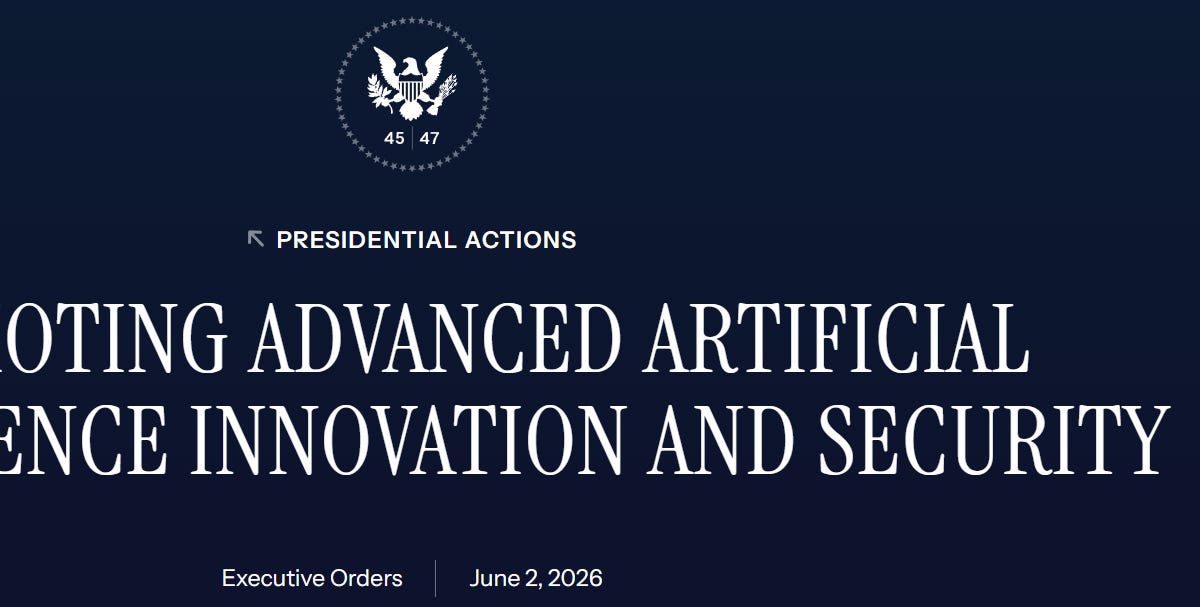
Trump's executive order on AI aims to boost the U.S. position in the global AI race. But can policy alone fuel innovation without the right infrastructure?
In a bid to cement the United States' leadership in artificial intelligence, former President Donald Trump signed an executive order pushing for a concentrated effort to advance AI capabilities. This move, dated October 2023, intends to synchronize federal resources to accelerate AI development. Yet, it raises questions about execution and impact.
The AI Race
The core of this executive order is a call to action for federal agencies to prioritize AI research. A strong emphasis is placed on collaboration between government, academia, and industry. But here's the kicker: setting priorities on paper is one thing, actual implementation and impact are another. Will this policy translate to real-world advancements?
Current AI development in the U.S. isn't just about having the best algorithms. It's about who can run them most efficiently and cost-effectively. Show me the inference costs, then we'll talk. Slapping a model on a GPU rental isn't a convergence thesis. The executive order lacks specifics on improving the country's compute marketplace or reducing the high overheads of AI deployment.
The Infrastructure Gap
While the executive order shines a spotlight on AI, it sidesteps the infrastructure debate. More research is great, but without solid infrastructure, the benefits may stay theoretical. Decentralized compute sounds great until you benchmark the latency. And let’s not forget the critical aspect of cybersecurity. If the AI can hold a wallet, who writes the risk model?
Government policies like these often fail to address the nitty-gritty details of technological deployment. It's one thing to fund AI research, but how about the facilities and network speeds important for training large models? The reality is, the U.S. is in a global arms race for AI dominance, and time is ticking.
Looking Forward
Ultimately, this executive order aims to put the U.S. at the forefront of AI development. But without addressing the bottlenecks in infrastructure and deployment, it risks being more symbolic than substantive. Can a policy paper on AI turn into tangible advancements without addressing these critical gaps?
The intersection is real. Ninety percent of the projects aren't. This executive order might set the stage, but the real challenge lies in execution. It's not just about keeping the lead. it's about setting the pace.
Get AI news in your inbox
Daily digest of what matters in AI.
Key Terms Explained
The science of creating machines that can perform tasks requiring human-like intelligence — reasoning, learning, perception, language understanding, and decision-making.
A standardized test used to measure and compare AI model performance.
The processing power needed to train and run AI models.
Graphics Processing Unit.